Quotessence
Home / Quotes / Quote by Margaret Atwood

Quote by Margaret Atwood

Work

Lady Oracle

In this novel, the protagonist, a woman known as the Lady Oracle, possesses the ability to communicate with spirits using tarot cards. The story delves into her life and the mysteries she uncovers through her unique gift. more
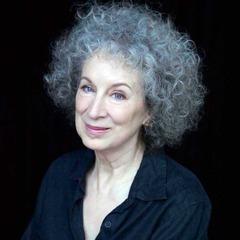
Author

Margaret Atwood
Margaret Atwood

Margaret Atwood is a renowned Canadian poet, novelist, playwright, and critic, born on November 18, 1939. Her works are known for their unique style and profound insights into social issues, with notable titles including 'The Handmaid's Tale' and 'Cat's Eye'. more

You May Also Like

“Staring out from a movie poster on the wall of the dinky town cinema were her sister's two bright blue eyes. Brigid was the star of the summer's blockbuster movie. "That fucking bitch!" Phoebe swore a little too loudly. An old lady gasped and two teenage girls froze in their tracks. "It's my sister!" Phoebe tried to explain. The two teenage girls tittered and hurried away. Nobody in Nowheresville, Georgia, was going to believe that the unkempt daughter of a swamp-living, Haitian-born artist was related to a lily-white movie star. Phoebe bought a ticket to the matinee. There, in the dark, empty theater, she watched her sister lop off zombie heads with a samurai sword and sobbed for ninety-four minutes straight.”

“I had thought fermentation was controlled death. Left alone, a head of cabbage molds and decomposes. It becomes rotten, inedible. But when brined and stored, the course of its decay is altered. Sugars are broken down to produce lactic acid, which protects it from spoiling. Carbon dioxide is released and the brine acidifies. It ages. Its color and texture transmute. Its flavor becomes tarter, more pungent. It exists in time and transforms. So it is not quite controlled death, because it enjoys a new life altogether. The memories I had stored, I could not let fester. Could not let trauma infiltrate and spread, to spoil and render them useless. They were moments to be tended. The culture we shared was active, effervescent in my gut and in my genes, and I had to seize it, foster it so it did not die in me. So that I could pass it on someday. The lessons she imparted, the proof of her life lived on in me, in my every move and deed. I was what she left behind. If I could not be with my mother, I would be her.”