Quotessence
Home / Quotes / Quote by Noam Chomsky

Quote by Noam Chomsky

“U.S. domestic drug policy does not carry out its stated goals, and policymakers are well aware of that. If it isn't about reducing substance abuse, what is it about? It is reasonably clear, both from current actions and the historical record, that substances tend to be criminalized when they are associated with the so-called dangerous classes, that the criminalization of certain substances is a technique of social control.”

Quote by Noam Chomsky

Author
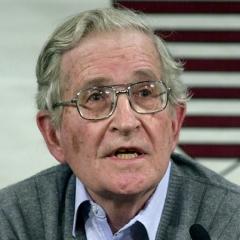
Noam Chomsky
Noam Chomsky

Noam Chomsky, born on December 7, 1928, is a renowned linguist from the United States. His research in generative grammar and transformational grammar has had a profound impact on modern linguistics. Chomsky's academic achievements extend beyond linguistics, as he is also an active political commentator and philosopher, known for his unique perspective and profound insights. more

You May Also Like

“Very commonly substances are criminalized because they're associated with what's called the dangerous classes, you know, poor people, or working people.... Actually, the peak of marijuana use was as I said, in the seventies, but that was rich kids, so you don't throw them in jail. And then it got seriously criminalized, you know, you really throw people in jail for it, when it was poor people.”

“The crime of liberation theology was that it takes the Gospels seriously. That's unacceptable. The Gospels are radical pacifist material, if you take a look at them . . . Liberation theology, in Brazil particularly, brought the actual Gospel to peasants. They said, let's read what the Gospels say, and try to act on the principles they describe. That was the major crime that set off the Reagan wars of terror.”

“To achieve respectability, to be admitted to the debate, they must accept without question or inquiry the fundamental doctrine that the state is benevolent, governed by the loftiest intentions, adopting a defensive stance, not an actor in world affairs but only reacting to the crimes of others...If even the harshest of critics tacitly adopt these premises, then the ordinary person may ask, who am I to disagree?”