“In an address before the "Academia," which had been organized to combat "science falsely so called," Cardinal Manning declared his abhorrence of the new view of Nature, and described it as "a brutal philosophy to wit, there is no God, and the ape is our Adam." ...These attacks from such eminent sources set the clerical fashion for several years.”
Quote by Andrew Dickson White
Work
A History of the Warfare of Science with Theology in Christendom: From Creation to the Victory of Scientific and Literary Methods
The book delves into the ongoing struggle between scientific inquiry and religious dogma, tracing the evolution of these two intellectual traditions from the creation narrative to the triumph of scientific and literary approaches. more
Author
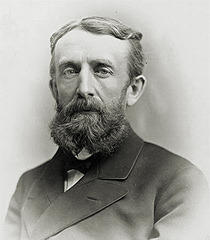
Andrew Dickson White
Andrew Dickson White was an American diplomat and educator, born on November 7, 1832, and died on November 4, 1918. He is known for his contributions to American foreign policy and his passion for education. more
You May Also Like
Source: A History of the Warfare of Science with Theology in Christendom
Source: A History of the Warfare of Science with Theology in Christendom: From Creation to the Victory of Scientific and Literary Methods
Source: A History of the Warfare of Science with Theology in Christendom: From Creation to the Victory of Scientific and Literary Methods
Source: A History of the Warfare of Science with Theology in Christendom: From Creation to the Victory of Scientific and Literary Methods
Source: Selected poems
“Love lives with Nature, not with lust. Go find her in the flowers.”
Source: Poems of John Clare's madness
“And what is Life? - An hour-glass on the run”
Source: Poems Descriptive of Rural Life and Scenery
“Throw not my words away, as many do;They're gold in value, though they're cheap to you.”
Source: Delphi Complete Works of John Clare (Illustrated)