“Our bodies are garbage heaps: we collect experience, and from the decomposition of the thrown-out eggshells, spinach leaves, coffee grinds, and old steak bones out of our minds come nitrogen, heat, and very fertile soil. Out of this fertile soil bloom our poems and stories. But this does not come all at once. It takes time. Continue to turn over and over the organic details of your life until some of them fall through the garbage of discursive thoughts to the solid ground of black soil.”
Quote by Natalie Goldberg
Author
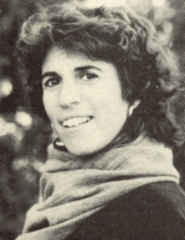
Natalie Goldberg
Natalie Goldberg is an American author recognized for her work at the intersection of Zen Buddhism and creative writing. Born in 1948, she has authored several books that delve into the fusion of mindfulness and writing, with 'Writing Down the Bones' being particularly influential. more
You May Also Like
“A man can make up his mind quickly when he has only a little to make up.”
“Your greatest contribution to helping other people live their destiny is for you to live your own.”
“Self-improvement comes mainly from trying to help others.”
Source: The Humble Approach: Scientists Discover God
“I don't invest in what I don't understand. And I don't want to understand Facebook.”
“To succeed in any field, Our enthusiasm-eyes must sparkle and our enthusiasm-hearts Must dance.”