“Hell is the centre of evils and, as you know, things are more intense at their centres than at their remotest points.”
Quote by James Joyce
Work
James Joyce The Dover Reader
James Joyce The Dover Reader is a curated selection of James Joyce's most celebrated writings, offering readers a diverse and representative sampling of his work. The collection includes classic short stories, such as 'The Dead' and 'Araby,' as well as extracts from his seminal novels, including 'Ulysses' and 'A Portrait of the Artist as a Young Man.' The reader also features a selection of Joyce's poetry and critical essays, providing insight into his thoughts on literature and the creative process. This volume is designed to be an engaging and informative resource for students, scholars, and general readers interested in exploring the rich tapestry of Joyce's literary legacy. more
Author
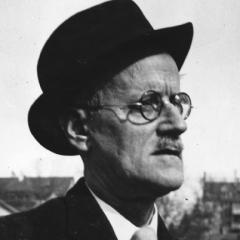
James Joyce
James Joyce, born on February 2, 1882, and died on January 13, 1941, was an Irish novelist and one of the greatest writers of the 20th century. Known for his unique narrative techniques and profound psychological insights, Joyce is celebrated for his contributions to modernist literature. His most famous work is 'Ulysses', which is considered one of the greatest literary works of the 20th century. Other notable works include 'Dubliners' and 'Finnegans Wake'. more
You May Also Like
Source: A Portrait of the Artist as a Young Man
Source: The Best of James Joyce
Source: The Best of James Joyce
“Ask no questions and you'll hear no lies.”
Source: James Joyce: The Complete Novels (Book House)
Source: Delphi Complete Works of James Joyce (Illustrated)
Source: James Joyce The Dover Reader
Source: A PORTRAIT OF THE ARTIST AS A YOUNG MAN (Awakening of Stephen Dedalus): An Autobiographical Novel from the Author of Ulysses, Finnegans Wake, Dubliners, Stephen Hero, Chamber Music & Exiles
“Man and woman, love, what is it? A cork and a bottle.”
Source: The Complete Works of James Joyce: Novels, Short Stories, Plays, Poetry, Essays & Letters: Ulysses, A Portrait of the Artist as a Young Man, Finnegan’s Wake, Dubliners, The Cat and the Devil, Exiles, Chamber Music, Pomes Penyeach, Stephen Hero, Giacomo Joyce, Critical Writings & more