“De início, para os cidadãos, esse poder público consistia somente na polícia, que é tão antiga quanto o Estado, razão pela qual os ingênuos franceses do século XVIII não falavam de nações civilizadas, mas de nações policiadas (nations policées ). Portanto, simultaneamente ao Estado, os atenienses instituíram uma polícia, uma verdadeira gendarmaria formada por arqueiros a pé e a cavalo – Landjäger [guarda rural], como se diz no sul da Alemanha e na Suíça. No entanto, essa gendarmaria era formada por escravos . O ateniense livre considerava o serviço de algoz tão aviltante que preferia ser detido por um escravo armado a prestar-se pessoalmente a um ato tão infame. Essa ainda era a velha mentalidade gentílica. O Estado não podia existir sem a polícia, mas ainda era jovem e não tinha respeito moral suficiente para tornar honroso um ofício que, para os antigos membros da gens , parecia necessariamente infame.”
Quote by Friedrich Engels
Work
This book delves into the evolution of social institutions, examining how the family, private property, and the state have shaped human societies over time. It offers a critical analysis of these concepts and their implications for social organization and political systems. more
Author
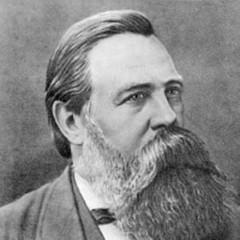
Friedrich Engels was a German philosopher, politician, economist, and revolutionary, co-founder of communist theory with Karl Marx. He was born on November 28, 1820, and died on August 5, 1895. more
You May Also Like
“A presença alheia me debilita colapsando meus estados quânticos sobrepostos.”
“Well, when the place you run to is a single person, then you know you found it.”
“A arte serve de fuga para a sensilidade que a acção teve de esquecer.”
“No sólo las personas pierden el rumbo, sino que las naciones también pierden el rumbo!”