“My name had lost its ring of familiarity and I had to be nudged to go and receive my diploma.”
Quote by Maya Angelou
Work
I Know Why the Caged Bird Sings
Maya Angelou's memoir recounts her childhood in the American South during the 1930s and 1940s, highlighting her journey of self-discovery and the challenges she faced due to racial discrimination. The narrative delves into her experiences with poverty, abuse, and the search for her own identity, offering a poignant and inspiring look at the human spirit. more
Author
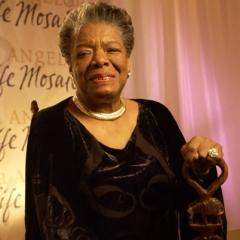
Maya Angelou
Maya Angelou was an American author, poet, playwright, actress, and lecturer, known for her profound exploration of race, gender, and culture in her work. Her autobiographical works, including 'I Know Why the Caged Bird Sings,' which detailed her early life of poverty and sexual exploitation, have gained widespread acclaim. more
You May Also Like
Source: Hiddensee
Source: Childhood, Boyhood, Youth
Source: iGen: Why Today’s Super-Connected Kids Are Growing Up Less Rebellious, More Tolerant, Less Happy--and Completely Unprepared for Adulthood--and What That Means for the Rest of Us
Source: Childhood, Boyhood, Youth
“The proof of the pudding is in the Cosmic Ordering.”
Source: Cosmic Ordering: You can be successful
Source: Childhood, Boyhood, Youth
Source: I Know Why the Caged Bird Sings
Source: A Portrait of the Artist as a Young Man