“Perhapsthemost sublimeinsights oftheJewishprophets and the Christian gospel is the knowledge that since perfection is love, the apprehension of perfection is at once the means of seeing one's imperfections and the consoling assurance of grace which makes this realization bearable. This ultimate paradox of high religion is not an invention of theologians or priests. It is constantly validated by the most searching experiences of life.”
Quote by Reinhold Niebuhr
Author
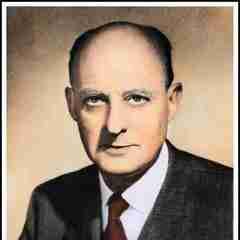
Reinhold Niebuhr
Reinhold Niebuhr was a prominent American theologian whose work on Christian ethics and social ethics had a profound impact on the 20th century. He was a key figure in theological discourse, particularly for his exploration of the nature of sin and the church's role in society. Niebuhr's theological thought has influenced various Christian denominations and has had a lasting effect on political and social thought. more
You May Also Like
Source: The History of Freedom (and other Essays)
Source: Lectures on Modern History: Great Event
Source: The History of Freedom (and other Essays)
“Feudalism made land the measure and the master of all things.”
Source: The History of Freedom (and other Essays)