Quotessence
Home / Quotes / Quote by John Ray

Quote by John Ray

Work

A complete collection of English proverbs: also, the most celebrated proverbs of the Scotch, Italian, French, Spanish, and other languages

The book offers a wide-ranging collection of proverbs, showcasing the wisdom and cultural expressions from various linguistic backgrounds. It includes both traditional English proverbs and those from other languages, providing a comparative study of proverbial sayings. more

Author
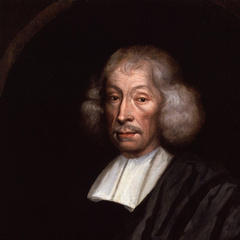
John Ray
John Ray

John Ray, born on November 29, 1627, and died on January 17, 1705, was a renowned British botanist and naturalist. He made significant contributions to the development of botanical taxonomy. more

You May Also Like

“When thou diest, thy soul will be tormented alone; that will be a hell for it, but at the day of judgment they body will join thy soul, and then thou wilt have twin hells, thy soul sweating drops of blood, and thy body suffused with agony. In fire exactly like that which we have on earth thy body will lie, asbestos-like, forever unconsumed, all they veins roads for the feet of pain to travel on, every nerve a string on which the devil shall forever play his diabolical tune of 'Hell's Unutterable Lament'.”

“Because I have confidence in the power of truth and in the spirit, I believe in the future of mankind. Affirmation of the world and of life contains within itself an optimistic willing and hoping which can never be lost. It is, therefore, never afraid to face the dismal reality and to see it as it really is.”

“The divide of race has been America's constant curse. Each new wave of immigrants gives new targets to old prejudices. Prejudice and contempt, cloaked in the pretense of religious or political conviction, are no different. They have nearly destroyed us in the past. They plague us still. They fuel the fanaticism of terror. They torment the lives of millions in fractured nations around the world. These obsessions cripple both those who are hated and, of course, those who hate, robbing both of what they might become.”