Quotessence
Home / Quotes / Quote by John Ruskin

Quote by John Ruskin

“Humanity and Immortality consist neither in reason, nor in love; not in the body, nor in the animation of the heart of it, nor in the thoughts and stirrings of the brain of it;--but in the dedication of them all to Him who will raise them up at the last day.”

Quote by John Ruskin

Work

The Stones of Venice

First published in 1851, The Stones of Venice is a comprehensive study by the English art critic and historian John Ruskin. The book delves into the intricate details and historical significance of Venetian architecture, focusing on the use of stone in the city's buildings. It is renowned for its detailed observations, rich descriptions, and its influence on the development of architectural theory and conservation practices. more

Author

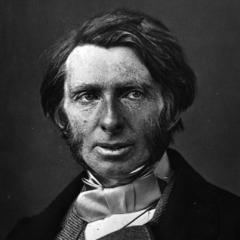
John Ruskin
John Ruskin

John Ruskin was an influential British art critic, writer, and social critic. Known for his profound insights into art, architecture, and social issues, he had a significant impact on the aesthetics and culture of the Victorian era. more

You May Also Like

“The repose necessary to all beauty is repose, not of inanition, nor of luxury, nor of irresolution, but the repose of magnificent energy and being; in action, the calmness of trust and determination; in rest, the consciousness of duty accomplished and of victory won; and this repose and this felicity can take place as well in the midst of trial and tempest, as beside the waters of comfort.”

“In all things that live there are certain irregularities, and deficiencies which are not only signs of life, but sources of beauty. No human face is exactly the same in its lines on each side, no leaf perfect in its lobes, no branch in its symmetry.”

“There is a certain period of the soul-culture when it begins to interfere with some of characters of typical beauty belonging to the bodily frame, the stirring of the intellect wearing down the flesh, and the moral enthusiasm burning its way out to heaven, through the emaciation of the earthen vessel; and there is, in this indication of subduing the mortal by the immortal part, an ideal glory of perhaps a purer and higher range than that of the more perfect material form. We conceive, I think, more nobly of the weak presence of Paul than of, the fair and ruddy countenance of David.”