“To yield reverence to another, to hold ourselves and our lives at his disposal, is not slavery; often, it is the noblest state in which a man can live in this world.”
Quote by John Ruskin
Work
Selections and Essays
This book is a compilation of selected essays and literary extracts from a diverse range of authors, offering readers a glimpse into different perspectives and styles of writing. more
Author
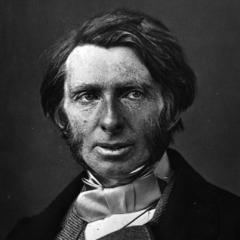
John Ruskin
John Ruskin was an influential British art critic, writer, and social critic. Known for his profound insights into art, architecture, and social issues, he had a significant impact on the aesthetics and culture of the Victorian era. more
You May Also Like
Source: Lectures on Architecture and Painting
Source: pt. I. Of genral principles. pt. II. Of truth. v. 4. pt. v. Of mountain beauty
Source: On the nature of Gothic architecture: and herein of the true functions of the workman in art. Being the greater part of the 6th chapter of the 2nd vol. of 'Stones of Venice'. [48 p.].
Source: The Stones of Venice -: The Sea Stories
“The noble grotesque involves the true appreciation of beauty.”
Source: The Stones of Venice: The fall
Source: Modern Painters
Source: pt. I. Of genral principles. pt. II. Of truth. v. 4. pt. v. Of mountain beauty