“Yet, she said to herself, form the dawn of time odes have been sung to love; wreaths heaped and roses; and if you asked nine people out of ten they would say they wanted nothing but this--love; while the women, judging from her own experience, would all the time be feeling, This is not what we want; there is nothing more tedious, puerile, and inhumane than this; yet it is also beautiful and necessary.”
Quote by Virginia Woolf
Work
Ao farol: To the lighthouse: Edição bilíngue português - inglês
This book is a translation of Virginia Woolf's renowned novel, which explores themes of family dynamics, personal identity, and the nature of perception. The bilingual format allows readers to compare and contrast the original text with its Portuguese counterpart. more
Author
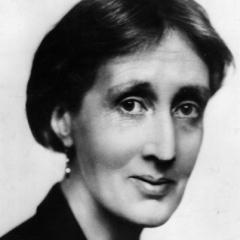
Virginia Woolf
British modernist writer, known for her unique narrative techniques and profound portrayal of female experience. Her works include 'To the Lighthouse' and 'Mrs. Dalloway'. more
You May Also Like
“Does Nature supplement what man advanced? Or does she complete what he began?”
“Apollo, sacred guard of earth's true core, Whence first came frenzied, wild prophetic word.”
Source: Delphi Complete Works of Cicero (Illustrated)
“Kissing the frog to get the prince is a waste of a perfectly good frog.”
Source: Naked Empire
Source: Pride and Prejudice