“You will die. You will not live forever. Nor will any man nor any thing. Nothing is immortal. But only to us is it given to know that we must die. And that is a great gift: the gift of selfhood. For we have only what we know we must lose, what we are willing to lose... That selfhood which is our torment, and our treasure, and our humanity, does not endure. It changes; it is gone, a wave on the sea. Would you have the sea grow still and the tides cease, to save one wave, to save yourself?”
Quote by Ursula K. Le Guin
Work
The Farthest Shore: Book Three
The final installment in a fantasy series, 'The Farthest Shore: Book Three' delves into the concluding adventures of its characters, intertwining elements of magic and exploration. The novel is known for its intricate world-building and philosophical musings. more
Author
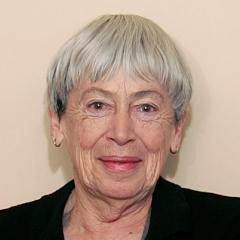
Ursula K. Le Guin
Ursula K. Le Guin, born on October 21, 1929, is an esteemed American author of science fiction and fantasy. Known for her profound philosophical insights, rich imagination, and unique narrative style, Le Guin's works have won numerous literary awards and have had a significant impact on science fiction and fantasy literature. Her most famous works include the 'Earthsea' series and 'The Left Hand of Darkness', which have won her awards such as the Nebula and Hugo Awards, and she has also received the National Book Award for lifetime achievement for her contributions to literature. more
You May Also Like
Source: Adam Bede
“Life is all about balance. Since I have only one leg, I understand that well.”
Source: Science and Human Values
Source: Incognito: The Secret Lives of The Brain
Source: Moo
Source: Archetypal Dimensions of the Psyche
“I have the feeling that in a balanced life one should die penniless. The trick is dismantling.”
“Work, love and play are the great balance wheels of man's being.”
Source: Love's Way