“If this superstitious fear of Spirits were taken away, and with it, Prognostiques from Dreams, false Prophecies, and many other things depending thereon, by which, crafty ambitious persons abuse the simple people, men would be much more fitted then they are for civill Obedience.”
Quote by Thomas Hobbes
Work
Annotated LEVIATHAN with English Grammar Exercises: by Thomas Hobbes (Author), Robert Powell (Editor)
Annotated LEVIATHAN with English Grammar Exercises is a scholarly edition of Thomas Hobbes' seminal political philosophy text, LEVIATHAN. Edited by Robert Powell, this volume provides in-depth annotations to clarify Hobbes' complex arguments and ideas. The book also includes grammar exercises designed to enhance the reader's comprehension of English language structure while engaging with the text. more
Author
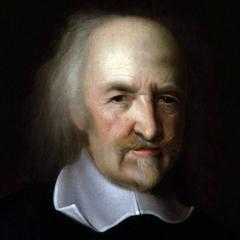
Thomas Hobbes
Thomas Hobbes, a British philosopher, politician, historian, economist, and writer, was born on April 5, 1588, in Wiltshire, and died on December 4, 1679, in Oxford, England. Hobbes is considered one of the most important philosophers of the 17th century, known for his profound analysis of the state, society, and human behavior. more
You May Also Like
Source: Leviathan
“And as in other things, so in men, not the seller, but the buyer determines the Price.”
Source: The Moral and Political Works of Thomas Hobbes of Malmesbury: Never Before Collected Together : To which is Prefixed, the Author's Life, Extracted from that Said to be Written by Himself, ...
Source: Leviathan
“A Covenant not to defend my selfe from force, by force, is always voyd.”
Source: Leviathan
Source: Leviathan: Top 100 Classic Novels
“Time, and Industry, produce everyday new knowledge.”
Source: Leviathan