Quotessence
Home / Quotes / Quote by William Wordsworth

Quote by William Wordsworth

Work

Lyrical Ballads

Comprising a mix of narrative and meditative verse, this work is a seminal volume in the English Romantic movement, featuring poems that explore nature, love, and social issues. more
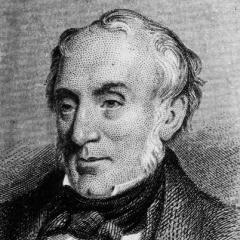
Author

William Wordsworth
William Wordsworth

William Wordsworth was an English Romantic poet, born on April 7, 1770, in Cockermouth, and died on April 23, 1850. His poetry is renowned for its depiction of natural landscapes and profound expression of personal emotions and inner world. more

You May Also Like

“At the end of the day faith is a funny thing. It turns up when you don't really expect it. Its like one day you realize that the fairy tale may be slightly different than you dreamed. The castle, well, it may not be a castle. And its not so important happy ever after, just that its happy right now. See once in a while, once in a blue moon, people will surprise you , and once in a while people may even take your breath away.”

“It was as if when I looked into his eyes I was standing alone on the edge of the world...on a windswept ocean beach. There was nothing but the soft roar of the waves.”

“And then there came the pounding of another drum, as if another giant were coming yards behind him, and each giant, intent on his own drum, gave no notice to the rhythm of the other. The sound grew louder and louder until it seemed to fill not just my hearing but all my senses, to be throbbing in my lips and fingers, in the flesh of my temples, in my veins.”

“A summer rain had left the night clean and sparkling with drops of water. I leaned against the end pillar of the gallery, my head touching the soft tendrils of a jasmine which grew there in a constant battle with a wisteria, and I thought of what lay before me throughout the world and throughout time, and resolved to go about it delicately and reverently, learning that from each thing which would take me best to another.”

“It was as if the empty nights were made for thinking of him. And sometimes I found myself so vividly aware of him it was as if he had only just left the room and the ring of his voice were still there. And somehow, there was a disturbing comfort in that, and, despite myself, I’d envision his face.”