“Ours is a kind of struggle designed, I dare say, by Providence to try the patience, fortitude, and virtue of men. None, therefore, who is engaged in it, will suffer himself, I trust, to sink under difficulties, or be discouraged by hardships. If he cannot do as he wishes, he must do what he can.”
Quote by George Washington
Work
Writings: Being His Correspondence, Addresses, Messages, and Other Papers, Official and Private, Selected and Published from the Original Manuscripts
This book is a compilation of various written works, including letters, speeches, and other documents, meticulously selected and published from their original handwritten manuscripts. more
Author
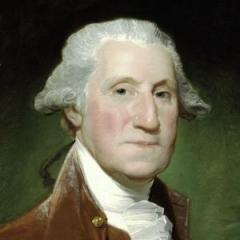
George Washington
George Washington was the first President of the United States and a key figure in the American Revolutionary War. Born on February 22, 1732, and died on December 14, 1799, Washington is known for his strong leadership and belief in democracy, playing a crucial role in American history. more
You May Also Like
Source: Maxims of Washington: Political, Social, Moral, and Religious
Source: Letters of Benjamin Rush: 1761-1792
Source: Letters: 1761-1792
“Patience is a noble virtue, and, when rightly exercised, does not fail of its reward.”
Source: The writings of George Washington from the original manuscript sources, 1745-1799
Source: The Writings of George Washington: Being His Correspondence, Addresses, Messages, and Other Papers, Official and Private, Selected and Published from the Original Manuscripts
Source: Commentaries on the Constitution of the United States: With a Preliminary Review of the Constitutional History of the Colonies and States, Before the Adoption of the Constitution