“It is scarcely possible that the eyes of contemporaries should discover in the public felicity the latent causes of decay and corruption. This long peace, and the uniform government of the Romans, introduced a slow and secret poison into the vitals of the empire. The minds of men were gradually reduced to the same level, the fire of genius was extinguished, and even the military spirit evaporated.”
Quote by Edward Gibbon
Author
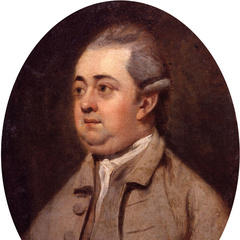
Edward Gibbon
Edward Gibbon was an English historian renowned for his magnum opus, 'The History of the Decline and Fall of the Roman Empire'. His work has had a profound impact on historical studies. more
You May Also Like
Source: The Decline and Fall of the Roman Empire (Edited and Abridged): Abridged Edition
Source: The history of the decline and fall of the Roman empire, with notes by Milman and Guizot. Ed. by W. Smith
Source: The Decline and Fall of the Roman Empire:
Source: The History of the Decline & Fall of the Roman Empire
“In discussing Barbarism and Christianity I have actually been discussing the Fall of Rome.”
Source: The History Of The Decline And Fall Of The Roman Empire. By Edward Gibbon, Esq. Printed From The Edition In Twelve Volumes. With An Introductory Memoir Of The Author, By William Youngman
“The man who lives by hope, will die by hunger.”
Source: The spectator