“All gardening is landscape painting,' said Alexander Pope.”
Quote by Rebecca Solnit
Work
Wanderlust: A History of Walking
Wanderlust: A History of Walking is a comprehensive study that delves into the historical and cultural aspects of walking. The book traces the evolution of walking from a necessity for survival to a leisure activity and a means of self-expression. It includes insights into the personal journeys of walkers, the social and political implications of walking, and the psychological benefits of this ancient form of movement. The narrative spans across different eras and regions, offering a rich tapestry of human experiences and the transformative power of walking. more
Author
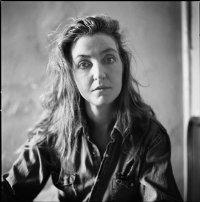
Rebecca Solnit
Rebecca Solnit is an American writer known for her works on environmental, cultural, political, and social issues. Her writing spans a wide range of topics, including nature, travel, gender, and power. Her books include 'Wanderlust', 'A Field Guide to Getting Lost', and 'The Faraway Nearby'. more
You May Also Like
“It is a good thing to be rich and strong, but it is a better thing to be loved.”
Source: Man's Search For Meaning, Gift Edition
Source: The world according to Garp
Source: Collected Stories
“None of us could be happy for long, doing nothing.”
Source: Ender's Game
“I never know what I think about something until I read what I've written on it.”