“I prefer that laughter shall take me unawares. Only so can it master and dissolve me.”
Quote by Max Beerbohm
Work
The Prince of Minor Writers: The Selected Essays of Max Beerbohm
This book is a compilation of Max Beerbohm's essays, which delve into the world of literature and society with a distinctive blend of wit and satire. Beerbohm's work is known for its sharp observations and clever wordplay, offering readers a unique perspective on the arts and the human condition. more
Author
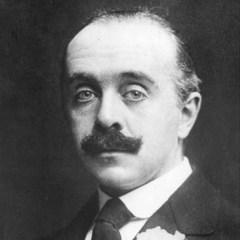
Max Beerbohm
Max Beerbohm was an English essayist and satirist known for his wit and satirical style. His works often focused on social and cultural satire, offering profound insights into the customs of his time and the literary world. more
You May Also Like
Source: And Even Now: And, A Christmas Garland
Source: The Prince of Minor Writers: The Selected Essays of Max Beerbohm
Source: And Even Now
“But to die of laughter--this, too, seems to me a great euthanasia.”
Source: The Prince of Minor Writers: The Selected Essays of Max Beerbohm
“Men of genius are not quick judges of character.”
Source: The Prince of Minor Writers: The Selected Essays of Max Beerbohm
Source: The Prince of Minor Writers: The Selected Essays of Max Beerbohm
Source: Zuleika Dobson: An Oxford Love Story
“Death cancels all engagements.”
Source: Zuleika Dobson: An Oxford Love Story
Source: Zuleika Dobson: An Oxford Love Story