“The pleasure of leaving home, care-free, with no concern but to enjoy, has also as a pendant the pleasure of coming back to the old hearthstone, the home to which, however traveled, the heart still fondly turns, ignoring the burden of its anxieties and cares.”
Quote by Herman Melville
Work
Piazza Tales and Other Prose Pieces, 1839-1860: Volume Nine, Scholarly Edition
This scholarly edition brings together a selection of short stories and prose pieces written between 1839 and 1860. The collection reflects the literary trends and cultural context of the mid-19th century, offering readers a glimpse into the period's literary landscape. more
Author
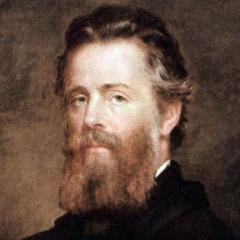
Herman Melville
Herman Melville was a renowned 19th-century American novelist known for his profound psychological descriptions and unique literary style. His masterpiece, 'Moby-Dick', is considered a classic of American literature. more
You May Also Like
“The poor man wants many things; the covetous man, all.”
Source: Mardi: And a Voyage Thither
Source: Pierre; or The Ambiguities
Source: The Encantadas and Other Stories
Source: Redburn's First Voyage: Works of Melville
“Poor people make a very poor business of it when they try to seem rich.”
Source: Redburn's First Voyage: Works of Melville
Source: Typee: A Romance of the South Seas (Illustrated & Annotated Edition)
“Fame is an accident; merit a thing absolute.”
Source: Mardi: And a Voyage Thither
Source: Delphi Complete Works of Herman Melville (Illustrated)
Source: Delphi Complete Works of Herman Melville (Illustrated)