“How on earth can religious people believe in so much arbitrary, clearly invented balderdash?....The acceptance of a creed, any creed, entitles the acceptor to membership in the sort of artificial extended family we call a congregation. It is a way to fight loneliness. Any time I see a person fleeing from reason and into religion, I think to myself, There goes a person who simply cannot stand being so goddamned lonely anymore.”
Quote by Kurt Vonnegut
Work
Palm Sunday: An Autobiographical Collage
This book is a compilation of the author's personal stories and insights, offering a rich tapestry of life's journey through various lenses and moments. more
Author
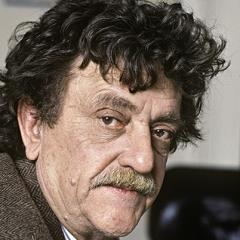
Kurt Vonnegut
Kurt Vonnegut was an American writer known for his unique humor and profound satire. His works often explore themes of war, humanity, society, and politics. His most famous works include 'Slaughterhouse-Five' and 'Cat's Cradle'. His writing style has been widely appreciated by readers and has had a profound impact on literature. more
You May Also Like
“I am an atheist (or at best a Unitarian who winds up in church quite a lot).”
“Sometimes, I think Trent just needs a cup of hot chocolate and a blankie.”
“Out of the ashes of the music business, comes the rebirth of the musician business.”
Source: Basic Economics
Source: Capitalism and Freedom: Fortieth Anniversary Edition