“So the experience of death is turned into that of the exchange of functionaries, and anything in the natural relationship to death that is not wholly absorbed into the social one is turned over to hygiene. In being seen as no more than the exit of a living creature from the social combine, death has been domesticated: dying merely confirms the absolute irrelevance of the natural organism in face of the social absolute.”
Quote by Theodor Adorno
Work
Minima Moralia: Reflections on a Damaged Life
Hermann Broch's Minima Moralia is a collection of philosophical essays that delve into the intricacies of human existence and the challenges of contemporary life. The essays, written in German and translated into English, are characterized by their introspective nature and their exploration of the author's personal experiences. Broch's work is known for its depth of thought and its ability to connect philosophical ideas with everyday life. more
Author
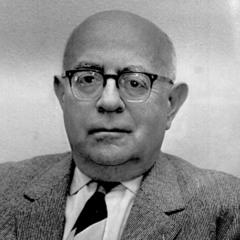
Theodor Adorno
Theodor Adorno was a German sociologist, philosopher, and musicologist. He is renowned for his critical theory, co-developed with Max Horkheimer and other members of the Frankfurt School. Adorno's research focused on the analysis of modern society, culture, and the influence of mass culture on individuals. more
You May Also Like
Source: Minima Moralia: Reflections on a Damaged Life
Source: Minima Moralia: Reflections on a Damaged Life
Source: Can One Live After Auschwitz?: A Philosophical Reader
“Each civilization has its own kind of pestilence and can control it only by reforming itself.”
Source: Modernity and Self-identity: Self and Society in the Late Modern Age
Source: Bully for Brontosaurus: Reflections in Natural History