“We had some port, and drank damnation to the play and eternal remorse to the author.”
Quote by James Boswell
Work
London Journal, 1762-1763, as First Published in 1950 from the Original Manuscript
London Journal, 1762-1763, as First Published in 1950 from the Original Manuscript is a historical document that captures the personal observations and experiences of an individual living in London between 1762 and 1763. The journal, first published in 1950 from the original manuscript, provides a unique perspective on the city's culture, social dynamics, and everyday life during the late 18th century. The entries offer a glimpse into the author's daily routines, encounters with notable figures, and reflections on the political and social climate of the time. more
Author
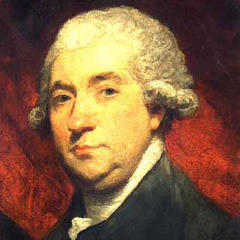
James Boswell
James Boswell, born on October 29, 1740, and died on May 19, 1795, was a Scottish lawyer and writer. He is best known for his biography, 'The Life of Samuel Johnson,' which provides a detailed account of the life and thoughts of the 18th-century British writer Samuel Johnson. more
You May Also Like
Source: The Life of Samuel Johnson, LL.D.: Together with A Journal of a Tour to the Hebrides
Source: Boswell's Edinburgh Journals 1767-1786
Source: Boswell's Life of Johnson: Including Their Tour to the Hebrides
Source: The life of Samuel Johnson, LL.D.: comprehending an account of his studies and numerous works, in chronological order; a series of his epistolary correspondence; and conversations with many eminent persons ...
“I have seen many a bear led by a man: but I never before saw a man led by a bear.”
Source: The life of Samuel Johnson: including A journal of a tour to the Hebrides
Source: Boswell's Edinburgh Journals 1767-1786
Source: The Life of Samuel Johnson