“What does it mean to demonstrate in the streets, what is the significance of that collective activity so symptomatic of the twentieth century? In stupefaction Ulrich watches the demonstrators from the window; as they reach the foot of the palace, their faces turn up, turn furious, the men brandish their walking sticks, but “a few steps farther, at a bend where the demonstration seemed to scatter into the wings, most of them were already dropping their greasepaint: it would be absurd to keep up the menacing looks where there were no more spectators.” In the light of that metaphor, the demonstrators are not men in a rage; they are actors performing rage! As soon as the performance is over they are quick to drop their greasepaint! Later, in the 1960s, philosophers would talk about the modern world in which everything had turned into spectacle: demonstrations, wars, and even love; through this “quick and sagacious penetration” (Fielding), Musil had already long ago discerned the “society of spectacle.”
Quote by Milan Kundera
Work
The Curtain: An Essay in Seven Parts
Browse quotes and source details for this work. more
Author
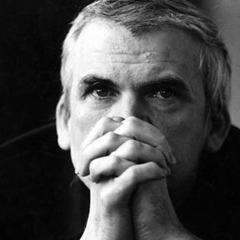
Milan Kundera
Milan Kundera is a renowned Czech-French writer known for his profound psychological insights and unique narrative techniques. His works often explore themes of personal freedom, love, morality, and existentialism, with notable titles including 'The Unbearable Lightness of Being' and 'The Joke'. more
You May Also Like
Source: Feminism Without Borders: Decolonizing Theory, Practicing Solidarity
Source: Methodology of the Oppressed
Source: Why We Can't Wait
Source: The Electric Jesus: The Healing Journey of a Contemporary Gnostic
Source: Why We Can't Wait
Source: Stride Toward Freedom: The Montgomery Story
Source: Your Silence Will Not Protect You: Essays and Poems
“If you don't challenge things, all you have done is passed it on to the next woman to deal with.”
“Be loving enough to absorb evil and understanding enough to turn an enemy into a friend.”
Source: Stride Toward Freedom: The Montgomery Story