“Aucun n'est d'un métal si pur qu'il laisse l'autre sans voix.”
Quote by Roland Barthes
Work
A lover's discourse: fragments
This book is a compilation of essays that delve into the complexities of love, relationships, and human emotions. The author examines various aspects of love from a philosophical and literary perspective, offering insights into the intricacies of human connections. more
Author
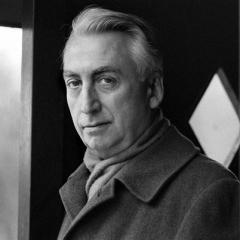
Roland Barthes
Roland Barthes (November 12, 1915 – March 25, 1980) was a French philosopher, literary critic, semiotician, and sociologist. He was a leading figure in structuralism and post-structuralism, known for his profound insights into semiotics, cultural criticism, and literary theory. His works, such as Mythologies, S/Z, and The Death of the Author, challenged traditional notions of authorship and meaning, emphasizing the multiplicity of texts and the active role of readers. Barthes' interdisciplinary approach influenced cultural studies, media analysis, and postmodern thought, making him one of the most influential intellectuals of the 20th century. more
You May Also Like
“The most hideous scene of life and the world is, the lamentation of a hungry child.”
Source: It's Hard to Please Vandanya: The Suitcase
Source: DarkMarket: Cyberthieves, Cybercops and You
Source: Resistor
Source: Ein Manifest gegen die emotionale Verkümmerung
Source: Bizim Büyük Çaresizliğimiz
Source: War of the Maps
Source: Tar Hollow Trans: Essays
“It takes two to have a fight.”
Source: Extraordinary Relationships: A New Way of Thinking About Human Interactions