“This is an evening of wonders, indeed!”
Quote by Jane Austen
Work
Pride and Prejudice (Illustrated)
Jane Austen's 'Pride and Prejudice' is a renowned work of English literature, exploring themes of social status, personal growth, and the complexities of human relationships. The story revolves around the protagonist Elizabeth Bennet and her interactions with the wealthy and proud Mr. Darcy. This illustrated edition adds a visual dimension to the narrative, with illustrations that complement the text. more
Author
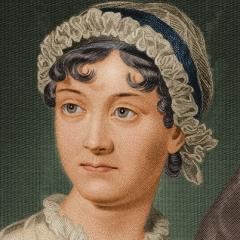
Jane Austen
Jane Austen, born on December 16, 1775, and died on July 18, 1817, was a renowned English novelist of the 19th century. Known for her exquisite psychological portrayals and satirical humor, Austen's works mainly revolve around rural life in England, depicting the customs and interpersonal relationships of the time. Her representative works include 'Pride and Prejudice' and 'Sense and Sensibility'. more
You May Also Like
“I am always easy of belief when the creed pleases me.”
Source: Shirley and The Professor
“Symbols are nothing but the natural speech of drama.”
Source: Camino Real
Source: Leaving the Surface
Source: Emma
“How did you go bankrupt?" Two ways. Gradually, then suddenly.”
Source: The Kite Runner