Quotessence
Home / Quotes / Quote by Diane Johnson

Quote by Diane Johnson

Work

Terrorists and novelists

This book delves into the intricate connections between terrorist activities and the portrayal of such events in novels. It examines how literature reflects and influences perceptions of terrorism, offering a nuanced look at the intersection of these two realms. more

Author
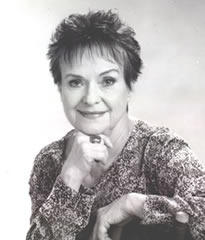
Diane Johnson
Diane Johnson

Diane Johnson is an American novelist born on April 28, 1934. Her works are known for their wit, humor, and profound psychological insights, primarily exploring the lives, loves, and career choices of modern women. more

You May Also Like

“Many readers simply can't stomach fantasy. They immediately picture elves with broadswords or mighty-thewed barbarians with battle axes, seeking the bejeweled Coronet of Obeisance ... (But) the best fantasies pull aside the velvet curtain of mere appearance. ... In most instances, fantasy ultimately returns us to our own now re-enchanted world, reminding us that it is neither prosaic nor meaningless, and that how we live and what we do truly matters.”

“I have now and again tried to imagine the perfect environment, the ideal conditions for reading: A worn leather armchair on a rainy night? A hammock in a freshly mown backyard? A verandah overlooking the summer sea? Good choices, every one. But I have no doubt that they are all merely displacements, sentimental attempts to replicate the warmth and snugness of my mother's lap.”

“Once we know the plot and its surprises, we can appreciate a book's artistry without the usual confusion and sap flow of emotion, content to follow the action with tenderness and interest, all passion spent. Rather than surrender to the story or the characters - as a good first reader ought - we can now look at how the book works, and instead of swooning over it like a besotted lover begin to appreciate its intricacy and craftmanship. Surprisingly, such dissection doesn't murder the experience. Just the opposite: Only then does a work of art fully live.”

“In Madame Bovary Flaubert never allows anything to go on too long; he can suggest years of boredom in a paragraph, capture the essence of a character in a single conversational exchange, or show us the gulf between his soulful heroine and her dull-witted husband in a sentence (and one that, moreover, presages all Emma's later experience of men). (...) This is one of the summits of prose art, and not to know such a masterpiece is to live a diminished life.”