Quotessence
Home / Quotes / Quote by Whittaker Chambers

Quote by Whittaker Chambers

Work

Witness

In this compelling narrative, the reader is taken on a journey through the intricacies of witness accounts, exploring the psychological and emotional challenges faced by individuals who must recount their experiences in courtrooms. The story examines the reliability of human memory and the potential for bias, offering a nuanced look at the legal system and its reliance on witness testimony. more
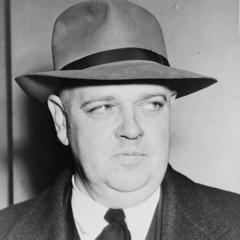
Author

Whittaker Chambers
Whittaker Chambers

Whittaker Chambers was an American writer and former Soviet spy, renowned for his role in the Alger Hiss case. He was born on April 1, 1901, and passed away on July 9, 1961. Chambers is best known for his defection and subsequent testimony against Alger Hiss, which contributed significantly to the Cold War narrative. more

You May Also Like

“Artists, whatever their medium, make selections from the abounding materials of life, and organize these selections into works that are under the control of the artist.... In relation to the inclusiveness and literally endless intricacy of life, art is arbitrary, symbolic and abstracted. That is its value and the source of its own kind of order and coherence.”

“Reformers have long observed city people loitering on busy corners, hanging around in candy stores and bars and drinking soda popon stoops, and have passed a judgment, the gist of which is: "This is deplorable! If these people had decent homes and a more private or bosky outdoor place, they wouldn't be on the street!" That judgment represents a profound misunderstanding of cities. It makes no more sense than to drop in at a testimonial banquet in a hotel and conclude that if these people had wives who could cook, they would give their parties at home.”

“Cities need old buildings so badly it is probably impossible for vigorous streets and districts to grow without them.... for really new ideas of any kind--no matter how ultimately profitable or otherwise successful some of them might prove to be--there is no leeway for such chancy trial, error and experimentation in the high-overhead economy of new construction. Old ideas can sometimes use new buildings. New ideas must use old buildings.”