Quotessence
Home / Quotes / Quote by Andrew Linzey

Quote by Andrew Linzey

“We can't change the world for animals without changing our ideas about animals. We have to move from the idea that animals are things, tools, machines, commodities, resources here for our use to the idea that as sentient beings they have their own inherent value and dignity.”

Quote by Andrew Linzey

Author
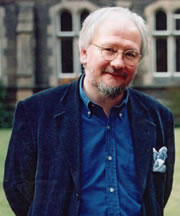
Andrew Linzey
Andrew Linzey

Andrew Linzey is a British theologian known for his contributions to animal rights and ecotheology. His research focuses on Christian ethics, animal welfare, and environmental protection. more

You May Also Like

“When I was in my teens I had a series of intensely religious experiences. They deepened my sense of God as the creator of all things. And they also deepened my sensitivity towards creation itself so that concern for God's creatures and animal rights followed from that. Some people think I'm an animal rights person who just happens, almost incidentally, to be religious. In fact, it's because I believe in God that I'm concerned about God's creatures. The religious impulse is primary.”

“The Bible nowhere says that animals are just made for human use. It does not say that the whole earth is just ours to do with as we like. Neither does it say that God's sole interest is with the human species. We cannot allow such an important and influential book to become the preserve of those who want to exploit animals. The Bible needs to be read, studied, and reclaimed for the animals.”

“Familiarity with holy things can often engender blindness, and churches are, for all their merits, institutions that embody, perhaps more than most, the will to perpetuate themselves. In this process, they can easily lose sight of the purpose for which they came into being and, in so doing, frustrate the Spirit.”

“I look forward to the time when the churches come to celebrate and honour the work of animal protection as an imperative arising from their belief in the Creator and in the gospel of the crucified. After all, similarly remarkable things have happened, for example, the growing consensus among churches that the environment should be cared for and protected as a Christian duty--an astonishing turnaround when one considers the prevailing dualism in previous centuries, which expressly discouraged concern for "earthly" matters as distinct from "spiritual" ones.”