“We need not invite the Devil to our table; he is too ready to come without being asked. The air all about us is filled with demons.”
Quote by Martin Luther
Work
The Life of Luther Written by Himself
This book presents a narrative of Martin Luther's life, drawn from his own writings and autobiographical statements. It covers his early years, his religious struggles as a monk, his theological development, and his central role in the Protestant Reformation. The text offers insight into Luther's personal experiences, his conflicts with the Catholic Church, and his views on faith, scripture, and salvation, as expressed in his own words. more
Author
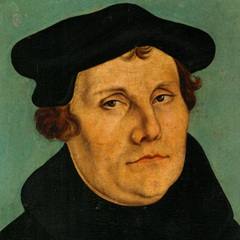
Martin Luther
Martin Luther, born on November 10, 1483 and died on February 18, 1546, was a significant figure in the German Reformation. He was a monk, theologian, philosopher, and writer, known for his leading role in the Reformation. Luther challenged the authority of the Roman Catholic Church and translated the Bible into German, which had a profound impact on German culture and religion. more
You May Also Like
“What shall we do with...the Jews?...their homes also should be razed and destroyed.”
Source: Decline and Fall of the Roman Empire
Source: The Decline and Fall of the Roman Empire (Edited and Abridged): Abridged Edition
Source: The Decline and Fall of the Roman Empire (Edited and Abridged): Abridged Edition