“Though I bequeath you no estate, I leave you in the enjoyment of liberty.”
Quote by William Bradford
Author
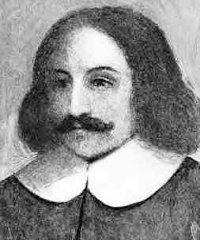
William Bradford
William Bradford (March 19, 1590 - May 9, 1657) was a British political leader and a key figure in the early history of the North American Plymouth colony. He led a group of Puritan settlers to America in the early 17th century and became the second governor of the Plymouth colony. Bradford played a crucial role in the development of the colony, and his leadership and management had a profound impact on the subsequent history of the United States. more
You May Also Like
Source: Pegasus Pulls a Hack: Memoirs of a Modern Minstrel
Source: Buddhism and Interfaith Dialogue: Part one of a two-volume sequel to Zen and Western Thought
Source: Buddhism and Interfaith Dialogue: Part one of a two-volume sequel to Zen and Western Thought
“When Death puts out our Flame, the Snuff will tell, If we were Wax, or Tallow by the smell.”
Source: Zen and the Modern World: A Third Sequel to Zen and Western Thought
Source: Zen and the Modern World: A Third Sequel to Zen and Western Thought
Source: A Study of Dogen: His Philosophy and Religion
“Leave a door open long enough, a cat will enter. Leave food, it will stay.”