“Africans believe in something that is difficult to render in English. We call it ubuntu, botho. It means the essence of being human. You know when it is there and when it is absent. It speaks about humaneness, gentleness, hospitality, putting yourself out on behalf of others, being vulnerable. It embraces compassion and toughness. It recognizes that my humanity is bound up in yours, for we can only be human together.”
Quote by Desmond Tutu
Work
The words of Desmond Tutu
This book compiles notable sayings, speeches, and writings by Desmond Tutu, a prominent figure in the struggle against apartheid in South Africa and a Nobel Peace Prize laureate. The selections reflect his views on justice, reconciliation, forgiveness, and human dignity, drawing from his public addresses, sermons, and published works. The volume serves as a reference for his moral and spiritual insights, emphasizing themes of nonviolence, equality, and the power of collective action in the face of oppression. more
Author
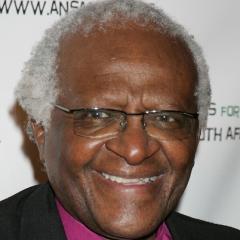
Desmond Tutu
Desmond Tutu, born on October 7, 1931, was a prominent anti-apartheid activist, theologian, and author from South Africa. He played a significant role in the abolition of apartheid in South Africa and was awarded the Nobel Peace Prize in 1984 for his efforts. more
You May Also Like
Source: Freedom from Fear: And Other Writings
“Perhaps Singapore could learn from us a more relaxed way of life.”
“We can love ourselves by loving the earth.”
Source: Replenishing the Earth: Spiritual Values for Healing Ourselves and the World