“Every so often, a heartwarming news story tells of a shipwrecked sailor who was on the verge of drowning in a turbulent sea. Suddenly, a dolphin popped up at his side and, gently but firmly, nudged the swimmer safely to shore. It is tempting to conclude that dolphins must really like human beings, enough to save us from drowning. But wait—are dolphins aware that humans don't swim as well as they do? Are they actually intending to be helpful? To answer that question, we would need to know how many shipwrecked sailors have been gently nudged further out to sea by dolphins, there to drown and never be heard from again. We don't know about those cases, because the swimmers don't live to tell us about their evil-dolphin experiences. If we had that information, we might conclude that dolphins are neither benevolent nor evil; they are just being playful.”
Quote by Carol Tavris
Work
Mistakes Were Made (But Not by Me): Why We Justify Foolish Beliefs, Bad Decisions, and Hurtful Acts
Mistakes Were Made (But Not by Me) delves into the human tendency to rationalize errors and undesirable behaviors. The book examines various psychological phenomena that contribute to this justification, offering insights into why people may cling to foolish beliefs and make poor decisions despite evidence to the contrary. more
Author
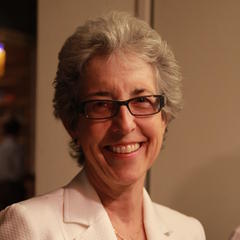
Carol Tavris
Carol Tavris is a renowned psychologist, born on September 17, 1944. Her research focuses on psychology, cognitive psychology, and critical thinking. Tavris is known for her profound insights into psychology and her extensive influence on public cognition. more
You May Also Like
Source: Sex and Psychic Energy
Source: Sex and Psychic Energy
Source: The Happiness Hypothesis: Finding Modern Truth in Ancient Wisdom
Source: 50 pitanja i 50 odgovora iz hrišćansko-psihoterapeutske prakse
Source: 50 pitanja i 50 odgovora iz hrišćansko-psihoterapeutske prakse
Source: 50 pitanja i 50 odgovora iz hrišćansko-psihoterapeutske prakse
“Fear resisted is fear amplified, fear embraced is fear relieved.”
Source: Himalayan Sonneteer: 100 Sonnets of Unsubmission
Source: Commencement
Source: Mistakes Were Made (But Not by Me): Why We Justify Foolish Beliefs, Bad Decisions, and Hurtful Acts