Quotessence
Home / Quotes / Quote by Matt Haig

Quote by Matt Haig

“Just as dogs were thwarted wolves, parks were thwarted forests. Humans loved both, possibly because humans were, well, thwarted.”

Quote by Matt Haig

Work

The Humans

Browse quotes and source details for this work. more
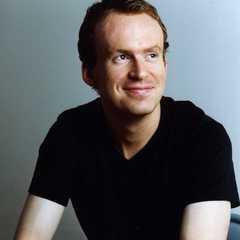
Author

Matt Haig
Matt Haig

Matt Haig is a British novelist born in 1975. His works are known for their humor and profound emotional insight, enjoying great popularity among readers. Haig's writing spans a variety of genres, including science fiction, fantasy, and realism. more

You May Also Like

“His eyes are open, watching my flushed face, my ragged breathing. I try to stop myself from making embarrassing noises. It’s more intimate than the way he’s touching me, to be looked at like that. I hate that he knows what he’s doing and I don’t. I hate being vulnerable. I hate that I throw my head back, baring my throat. I hate the way I cling to him, the nails of one hand digging into his back, my thoughts splintering, and the single last thing in my head: that I like him better than I’ve ever liked anyone and that of all the things he’s ever done to me, making me like him so much is by far the worst.”

“Human dynamism cannot be manipulated or switched on like that of a machine. It cannot be engineered or programmed. Human beings are created, not constructed – that is why they love to create their own reality. Human action cannot be explained by the laws of thermodynamics or by that of molecular biology. The wellspring of human action comes from the human spirit. The dwelling space of this spirit is our being.”

“The chef sighed. “They talk about three gods in one or one in three, depending on who you ask.” He rolled his eyes. “What a tale. God arranges to torture and kill his son, who is also himself, in order to forgive sins not yet committed. It makes no sense. If a compassionate God wanted to forgive, why not just forgive? I’ll tell you why: There’s not enough drama in that. No blood, no pathos, it’s flat. But human sacrifice to atone for sin is a compelling idea borrowed from paganism. It’s primitive and emotional. It’s an old favorite.”