“More fundamentally, I'm interested in memory because it's a filter through which we see our lives, and because it's foggy and obscure, the opportunities for self-deception are there. In the end, as a writer, I'm more interested in what people tell themselves happened rather than what actually happened." [As quoted in: In the land of memory: Kazuo Ishiguro remembers when (Adam Dunn, cnn.com Book News, Oct. 27, 2000)]”
Quote by Kazuo Ishiguro
Author
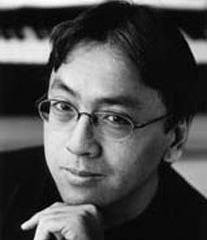
Kazuo Ishiguro
Kazuo Ishiguro is a Japanese-born British novelist known for his unique literary style and profound insights into human nature. His works often explore themes of memory, identity, and common human emotions. Born on November 8, 1954, Ishiguro's career began with the publication of his first novel 'When Breath Becomes Air' in 1982, which received widespread acclaim. more
You May Also Like
Source: Postscript to The name of the rose
Source: Self-Deception: With a New Chapter
Source: Nicholas Nickleby
“I hate that you think you're irreplaceable. Darling, you're actually upgradable.”
Source: The Dispossessed: An Ambiguous Utopia
Source: My Lady Ludlow and Other Stories
Source: Don't Forget to Breathe
Source: Ashley Bell
“The duplicity of others must always be shocking when one is unconscious of one's own.”
Source: The mask of Dimitrios