“The National Academies of Sciences, Medicine and Engineering, tasked by Congress with investigating how to reduce child poverty in the United States, issued a landmark report in 2019 that concluded that each year child poverty costs Americans about $1 trillion in crime, education and welfare costs and related expenses.”
Quote by Nicholas D. Kristof
Work
Tightrope: Americans Reaching for Hope
Browse quotes and source details for this work. more
Author
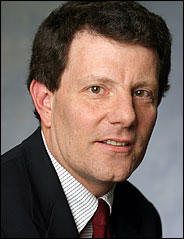
Nicholas D. Kristof
Nicholas D. Kristof is an American journalist renowned for his in-depth investigative reporting. Born on April 27, 1959, he has won the Pulitzer Prize and has been a columnist for The New York Times. Kristof's reporting focuses on global poverty, human rights, and foreign policy issues, often sparking public attention to important social issues. more
You May Also Like
Source: The Nix
“God had conceived humans’ heterosexuals; until they start making initiatives.”
Source: Sexual Politics: An Introduction
Source: The Making of Zombie Wars
“There is absolutely nothing special about being a man or being straight.”
“There's no one more interesting than you”
Source: City of Bones