“I was young at Myna, that first time. When had the change come? He had retreated to here, to Collegium, to spin his awkward webs of intrigue and to lecture at the College. Then, years on, the call had come for action. He had gone to that chest in which he stored his youth and found that, like some armour long unworn, it had rusted away. He tried to tell himself that this was not like the grumbling of any other man who finds the prime of his life behind him. I need my youth and strength now, as never before. A shame that one could no husband time until one needed it. All his thoughts rang hollow. He was past his best and that was the thorn that would not be plucked from his side. He was no different from any tradesman or scholar who, during a life of indolence, pauses partway up the stairs to think, This was not so hard, yesterday.”
Quote by Adrian Tchaikovsky
Book:Dragonfly Falling
Work
Dragonfly Falling
Browse quotes and source details for this work. more
Author
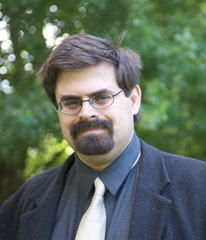
Adrian Tchaikovsky
Adrian Tchaikovsky, born on June 14, 1972, is a British author known for his works in the genres of fantasy and science fiction. His writing is highly regarded for its deep themes and rich imagination, appealing to both readers and critics. more
You May Also Like
“The faded glittering in his eyes is like a falling star on a dull autumn's day.”
“... forty's nothing, at fifty you're in your prime, sixty's the new forty, and so on.”
Source: The Sense of an Ending
Source: On Suicide
“We were all so young that there were no lines on our faces to read between.”
Source: The Reader
“Life versus Death becomes, as Montaigne pointed out, Old Age versus Death.”
Source: Nothing To Be Frightened Of
Source: My Wolf Cowboy
Source: Remembering Raquel
Source: Immortal