“Often emphasis on identity and lifestyle is appealing because it creates a false sense that one is engaged in praxis. However, praxis within any political movement that aims to have a radical transformative impact on society cannot be solely focused on creating spaces wherein would-be radicals experience safety and support. Feminist movement to end sexist oppression actively engages participants in revolutionary struggle. Struggle is rarely safe or pleasurable.”
Quote by Bell Hooks
Work
Feminist Theory: From Margin to Center
This book delves into the development of feminist theory, tracing its journey from being a marginalized field to a central and influential part of intellectual and societal discussions. more
Author
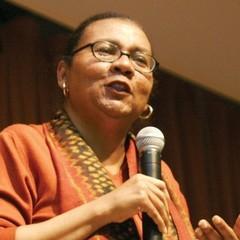
Bell Hooks
Bell Hooks, born Gloria Jean Watkins, is an American author, scholar, and activist. Her work primarily focuses on issues of race, gender, and social justice, particularly on feminist and black feminist thought. Hooks' works include novels, poetry, academic writings, and autobiographies, and her writing style is beloved by readers for its profound social insight and desire for change. more
You May Also Like
“Though his invention worked superbly [...] his theory was a crock of sewage from beginning to end.”
Source: The Peace War
Source: Joyful Militancy: Building Thriving Resistance in Toxic Times
Source: Mystics and Zen Masters
“Prison abolition is more than a politic, it’s a daily practice.”
Source: Death: Light of Life and the Shadow of Death
“But philosophy is one thing, praxis is another.”
Source: I am Pandarus
“God is what you do, not what you believe in.”
Source: The Shepherd's Hut
Source: The Omnibus Homo Sacer
Source: This Life: Secular Faith and Spiritual Freedom