Quotessence
Home / Quotes / Quote by Joseph Campbell

Quote by Joseph Campbell

“Wherever the poetry of myth is interpreted as biography, history, or science, it is killed. The living images become only remote facts of a distant time or sky. Furthermore, it is never difficult to demonstrate that as science and history mythology is absurd. When a civilization begins to reinterpret its mythology in this way, the life goes out of it, temples become museums, and the link between the two perspectives is dissolved. Such a blight has certainly descended on the Bible and on a great part of the Christian cult. To bring the images back to life, one has to seek, not interesting applications to modern affairs, but illuminating hints from the inspired past. When these are found, vast areas of half-dead iconography disclose again their permanently human meaning.”

Quote by Joseph Campbell

Work

The Hero with a Thousand Faces

Browse quotes and source details for this work. more

Author
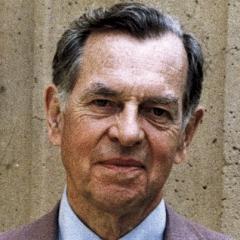
Joseph Campbell
Joseph Campbell

Joseph Campbell was an American writer, scholar, and mythologist, renowned for his studies of world mythology. His work, 'The Hero with a Thousand Faces', has had a profound impact on modern culture, widely used in literature, film, and psychology fields. more

You May Also Like

“وشاع الزهو في أعطاف إيكاروس، فكان يرتفع قليلا، أو يهبط قليلا عن سمت أبيه؛ ثم تشجع وتشجع، وبهرته زرقة السماء وأديمها الصافي، فجازف وارتفع ارتفاعا شاهقا، ونسي وصية أبيه، فعلا وذهب في السماء صعدا، وكان يغريه أن يصغر العالم الأرضي في عينيه، فيعلو ويعلو وا أسفاه!! لقد دنت ساعة الانتقام لك يا بردكس! فلقد صهرت الشمس شمع الجناحين، وهوى إيكاروس إلى الأعماق! ولما دنا من والده صرخ صرخة هائلة دوت في إذن أبيه، فتلفت الشيخ ليرى ولده يغوص في اليم، يبتلعه مرة ويلفظه أخرى! فأسرع الوالد المسكين إلى البحر، وأنتشل ولده من الماء جثة هامدة! وكان هو بدوره قد أذاب الماء شمع جناحيه، فعالج الموج معالجة، وسبح بفلذة كبده إلى جزيرة قريبة، بلغها بعد جهد وعناء! وجلس يبكي ولده. . . ثم شق له قبرا صغيرا في رمل الشاطئ، وما كاد يسره فيه، حتى رأى قطاة حزينة تدوم في السماء، ثم تهبط قليلا قليلا، حتى تكون بمقربة من القبر، فتقف كاسفة مشجونة وتنظر إلى الجثة والدموع تنهمل من عينيها. . عبرة، فعبرة. . ويفرغ الشيخ من مواراة ولده في التراب! وينته! فيرى القطاة! فينشج نشيجا مؤلما، ويقول: (بردكس!! أتيت تبكي إيكاروس!! سامحني يا بردكس!) فتزقو القطاة كأنها تنتحب! ثم تدنو من القبر حتى تكون فوقه، فتذرف عبرتين غاليتين، وترف في الهواء حتى تغيب عن عيني ديدالوس!”

“There is an Iroquois myth that describes a choice the nation was once forced to make. The myth has various forms. This is the simplest version. A council of the tribes was called to decide where to move on for the next hunting season. What the council had not known, however, was that the place they eventually chose was a place inhabited by wolves. Accordingly, the Iroquois became subject to repeated attacks, during which the wolves gradually whittled down their numbers. They were faced with a choice: to move somewhere else or to kill the wolves. The latter option, they realized, would diminish them. It would make them the sort of people they did not want to be. And so they moved on. To avoid repetition of their earlier mistake, they decided that in all future council meetings someone should be appointed to represent the wolf. Their contribution would be invited with the question, ‘Who speaks for wolf?”