“However, Christianity has come to present us a new idea, all the more powerful in that it rests on a universal idea as old as the world, and that we needed to be rectified and sanctioned by revelation. So when the guilty ask us it is why the innocent suffer in his world, we are not lacking in responses, as you have seen, but we can choose one that is more direct and perhaps more convincing than all the others. We can reply: Innocence suffers for you, if you wish it.”
Quote by Joseph de Maistre
Work
St Petersburg Dialogues: Or Conversations on the Temporal Government of Providence
This work is a collection of dialogues that delve into the concept of divine providence, examining its role in shaping the temporal aspects of human life. The discussions take place in the historical context of St Petersburg, offering a unique perspective on the intersection of faith and governance. more
Author
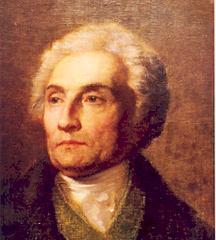
Joseph de Maistre
Joseph de Maistre was a French philosopher known for his conservative political theories, which had a profound impact on 19th-century European political philosophy. more
You May Also Like
Source: Falling Into Fire
“We exist to end the suffering in men and to end the suffering that men cause.”
Source: Reunion
“Noble endurance is an act of graceful acceptance of existential afflictions.”
Source: The Sleeping Beauties: And Other Stories of Mystery Illness
“You've endured the suffering that makes mystics; that fills them with gems of transcendent wisdom.”
Source: Motherthing
Source: Recitatif
“Any wish fulfilled...for the right price.”
Source: Immoral Origins