“Twenty miles from the city a pair of enormous eggs, identical in contour and separated only by a courtesy bay”
Book:The Great Gatsby
“Twenty miles from the city a pair of enormous eggs, identical in contour and separated only by a courtesy bay”
F. Scott Fitzgerald's 'The Great Gatsby' is a timeless narrative that delves into the lives of the wealthy elite during the 1920s. The story follows Jay Gatsby, a mysterious millionaire, and his pursuit of the elusive Daisy Buchanan, a woman from his past. The novel is renowned for its vivid portrayal of the era's excesses and the disillusionment that followed, offering a critical commentary on the American Dream. more
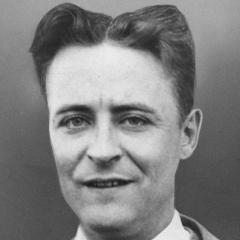
F. Scott Fitzgerald was an American author of novels and short stories, renowned for his works that encapsulate the Jazz Age and the Roaring Twenties. His most celebrated novel, 'The Great Gatsby,' is a critical and commercial success, reflecting the themes of the American Dream and the decline of the American upper class. more
“Each separation begins with a misquote and ends with a misdeed.”
“分離造成的是美感及其審美心理的距離。一次次分離之後的懸念總會得到自覺或不自覺的誇張和放大。”
“Tis not thy love I fear to lose, That will in spite of absence hold”
“Dear love, our separation was not because of my anger, because of your arrogance.”
“Every long separation is a test: A test to see how powerful or how weak the will of reuniting is!”