“Just 3 years of research between 2009 and 2012 witnessed a profound change in archaeological understanding of the geoglyphs of the southwestern Amazon. Previously they'd been thought to be just 750 years old; now, without any real attention being drawn to the implications, they'd become 2,000 years old. To put this in context, an error and subsequent correction on a similar scale would certainly attract a great deal of attention if it concerned Western architecture--indeed it would be like discovering that the great Gothic cathedrals of Europe such as Chartres and York Minster were not, in fact, works of the late medieval period but had actually been built by the Romans.”
Quote by Graham Hancock
Work
America Before: The Key to Earth's Lost Civilization
Browse quotes and source details for this work. more
Author
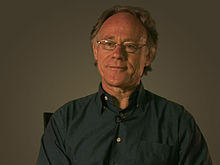
Graham Hancock
Graham Hancock is a British writer known for his research into ancient civilizations and mysterious phenomena. His works delve into the mysteries of human history and culture, including ancient Egypt, the Maya, and Atlantis. more
You May Also Like
Source: Seven Types of Ambiguity
Source: Life Is A Circus
Source: By Any Other Name
Source: Accidental Empires: How the Boys of Silicon Valley Make Their Millions, Battle Foreign Competition, and Still Can't Get a Date
Source: Vom Ende der Einsamkeit
“Es gibt keine schlechten Erlebnisse. Es gibt nur Erfahrungen. Und Möglichkeiten, zu lernen.”
Source: Im Ereignishorizont: Gedichte
“Being a cheerful hobbit, he had not needed hope, as long as despair could be postponed.”
Source: The Two Towers
Source: Im Ereignishorizont: Gedichte
Source: Sapiens: A Brief History of Humankind