“But the three-day pattern--Friday's tragedy, Saturday's despair, Sunday's triumph-- became for Jesus' followers a pattern that can be applied to all our times of tribulation. Good Friday demonstrates that God is not indifferent to our pain; God, too, is personally "acquainted with grief." Holy Saturday hints that we may go through seasons of confusion and seeming defeat. And Easter Sunday shows that, in the end, suffering will not prevail.”
Quote by Philip Yancey
Work
Undone: A Modern Rendering of John Donne's Devotions
Browse quotes and source details for this work. more
Author
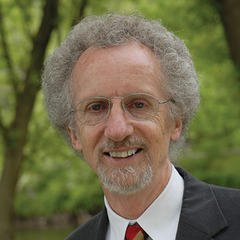
Philip Yancey
Philip Yancey (born 1949) is one of the most influential contemporary Christian authors in the United States. He is widely known for his profound explorations of faith, suffering, and grace, blending personal experience, theological reflection, and literary narrative. His bestselling books, including Where Is God When It Hurts?, What's So Amazing About Grace?, and The Jesus I Never Knew, have sold over 15 million copies worldwide and been translated into dozens of languages. Yancey served as an editor for Christianity Today and has written for numerous publications. His honest, thoughtful, and accessible writing style has deeply impacted millions of readers, inviting both believers and skeptics to engage with the complexities of faith. more
You May Also Like
“We all suffer our causes yet not everyone calls our life a tragedy.”
Source: The Sorrows of Young Werther
Source: The Brutal Truth
Source: Porcelain Utopia
“Those who truly suffer don't form a group or go around as a mob. Those who suffer, suffer alone.”
Source: The Book of Disquiet
Source: Bluebeard's Egg
Source: Azad Earth Army: When The World Cries Blood
Source: The Same Old Story