“All opinions are not equal. Some are a very great deal more robust, sophisticated and well supported in logic and argument than others.”
Quote by Douglas Adams
Work
The Salmon of Doubt: Hitchhiking the Galaxy One Last Time
This book is a compilation of essays and articles written by Douglas Adams, known for his work on the 'Hitchhiker's Guide to the Galaxy' series. It delves into a range of topics, including science, technology, and the human condition, offering readers a glimpse into the mind of one of the most imaginative and insightful writers of our time. more
Author
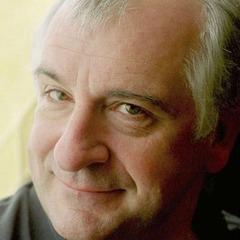
Douglas Adams
Douglas Adams was a British writer best known for his science fiction series 'The Hitchhiker's Guide to the Galaxy'. His work is celebrated for its unique humor and profound philosophical insights, making it a favorite among readers. Adams' novels often contain satirical commentary on modern society and deep reflections on the human condition. more
You May Also Like
Source: Collected Works: Volume One
“I stopped being able to feel a great many things as we killed and killed...”
Source: A Court of Wings and Ruin
Source: Rituals of Spontaneity: Sentiment and Secularism from Free Prayer to Wordsworth
“Sensuality is based on what you feel and believe to be true.”
“The power of sensuality is in the spirit in which it is accepted.”
“The first language is feeling, not words. Love transcends words and even language”
Source: A World of Yoga: 700 Asanas for Mindfulness and Well-Being
“The greatest feeling in the world to me is triumph.”
Source: A Boy Just Like Me
“All comes at last to feeling; Name is but sound and smoke, Beclouding Heaven's warm glow.”
Source: Faust, First Part