Quotessence
Home / Quotes / Quote by Rainis

Quote by Rainis

Author

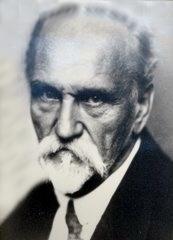
Rainis
Rainis

Rainis, born on September 11, 1865, and died on September 12, 1929, was a prominent Latvian poet. His works deeply reflected the history and culture of the Latvian nation and were hailed as one of the founders of Latvian literature. more

You May Also Like

“It was at this time that backgammon was invented and began to be popular. It is a kind of paradigm of how wealth is acquired, which in this world is not the reward of intelligence or ability, just as luck is not a product of skill... If luck favours the player, he gets what he wants; if it doesn't, a skilled and prudent man cannot win that which fortune only bestows on whom it likes. It is thus that the good things of this world are apportioned by chance.”

“With deregulation, privatisation, free trade, what we're seeing is yet another enclosure and, if you like, private taking of the commons. One of the things I find very interesting in our current debates is this concept of who creates wealth. That wealth is only created when it's owned privately. What would you call clean water, fresh air, a safe environment? Are they not a form of wealth? And why does it only become wealth when some entity puts a fence around it and declares it private property? Well, you know, that's not wealth creation. That's wealth usurpation.”

“The idea of luxury, even the word "luxury," was important to Arabella. Luxury meant something that was by definition overpriced, but was so nice, so lovely, in itself that you did not mind, in fact was so lovely that the expensiveness became part of the point, part of the distinction between the people who could not afford a thing and the select few who not only could, but also understood the desirability of paying so much for it. Arabella knew that there were thoughtlessly rich people who could afford everything; she didn't see herself as one of them but instead as one of an elite who both knew what money meant and could afford the things they wanted; and the knowledge of what money meant gave the drama of high prices a special piquancy. She loved expensive things because she knew what their expensiveness meant. She had a complete understanding of the signifiers.”