“The temptation to fulfil all desires was, in the past, that of evil; temptation by the devil. Today it is good which presides over that fulfilment, but it is no longer the fulfilment of a desire or an impulse of our own. We no longer aspire to anything; we are aspirated, sucked up, by the void. The logic of distinction is, ultimately, a precious vestige of the bygone time of signs and sign-value, the loss of which, though imperceptible in the equivalence of images, is even more serious than the loss of the real. Prestige, challenge, rivalry, privileges - it was, at bottom, the golden age of symbolic violence, the only antidote to democratic erosion and the great game of equality of opportunity. It is doubtless as absurd to wish to eliminate that violence as any other. Is it better to stop the haemorrhage and live in a state of perpetual transfusion?”
Quote by Jean Baudrillard
Work
Cool Memories V: 2000 - 2004
Browse quotes and source details for this work. more
Author
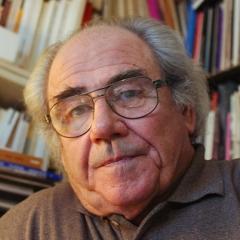
Jean Baudrillard
Jean Baudrillard was a French philosopher known for his critical studies on consumerism, media, and semiotics. His theories have had a profound impact on postmodernism and cultural studies. more
You May Also Like
Source: Shiver
“She couldn’t possibly desire him that much. Yeah, and the sky is green with flying cows on it.”
Source: Living Among Others
Source: The Meursault Investigation
“My heart desire is for souls to be saved through God's grace.”
“If the law of the Lord is within your heart, you will delight in doing his will.”
“Desire to know the Word of God should lead to a delight to do his will.”
Source: Dark Wood Tarot
Source: Paceville and Metanoia
Source: Want Me