Quotessence
Home / Quotes / Quote by Rainbow Rowell

Quote by Rainbow Rowell

Author

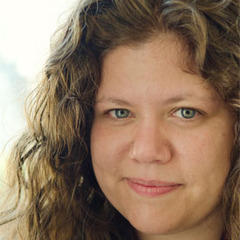
Rainbow Rowell
Rainbow Rowell

Rainbow Rowell (born 1973) is a bestselling American author known for her works in young adult and adult fiction. Her notable novels include 'Eleanor & Park,' 'Fangirl,' and 'Carry On,' which are praised for their emotional depth, relatable characters, and clever integration of pop culture. Rowell's stories often explore themes of adolescence, love, family, and identity, with a warm and humorous writing style. She was born in Omaha, Nebraska, and worked as a newspaper columnist before turning to fiction. Her books have appeared on The New York Times bestseller list and have been translated into multiple languages, earning her a global fanbase. Rowell also writes comics and screenplays, showcasing her versatility as a storyteller. more

You May Also Like

“Four impressionable years spent in a number of very different hospitals convinced me once for all that nursing, if it is to be done efficiently, requires, more than any other occupation, abundant leisure in colorful surroundings, sufficient money to spend on amusements, agreeable food to re-establish the energy expended, and the removal of anxiety about illness and old age; yet of all skilled professions, it is still the least vitalised by these advantages, still the most oppressed by unnecessary worries, cruelties, hardships and regulations.”

“Many of us in healthcare entered the profession because we wanted to help, heal, and serve. At our core, we have compassion, empathy, and a drive to help people live their best lives. Recognizing and implementing actions to prevent patient and employee harm has the greatest potential effect on the quality of care delivered in our health care system, just as preventative care and wellness efforts slow or stop the progression of disease.”

“At the very least, to set our healthcare workers, patients, and patient caregivers up for success, we must modernize the systems that guide their work and enable their voices to be heard—especially when they see opportunities to prevent harm and improve care environments.”

“The very first element for having control over others is, of course, to have control over oneself. If I cannot take charge of myself, I cannot take charge of others. The next, perhaps, is—not to try to "seem" anything, but to be what we would seem. A person in charge must be felt more than she is heard—not heard more than she is felt. She must fulfil her charge without noisy disputes, by the silent power of a consistent life, in which there is no seeming, and no hiding, but plenty of discretion. She must exercise authority without appearing to exercise it.”