Quotessence
Home / Quotes / Quote by Luis Alberto Urrea

Quote by Luis Alberto Urrea

“It seems jolly on the page. But imagine poverty, violence, natural disasters, or political fear driving you away from everything you know. Imagine how bad things get to make you leave behind your family, your friends, your lovers; your home, as humble as it might be; your church, say. Let's take it further - you've said good-bye to the graveyard, the dog, the goat, the mountains where you hunted, your grade school, your state, your favorite spot on the river where you fished and took time to think.”

Quote by Luis Alberto Urrea

Work

Across the Wire: Life and Hard Times on the Mexican Border

In 'Across the Wire: Life and Hard Times on the Mexican Border,' the author delves into the complex issues surrounding the border between Mexico and the United States. The narrative provides a nuanced perspective on the struggles of border communities, examining the impact of immigration policies, economic disparities, and cultural exchanges. The book is a compelling exploration of the human experience in one of the most dynamic and challenging areas of the modern world. more

Author
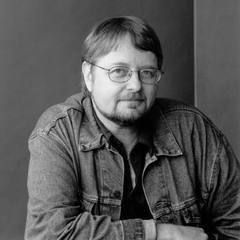
Luis Alberto Urrea
Luis Alberto Urrea

Luis Alberto Urrea, born in 1955, is a renowned Mexican-American poet. His works blend Mexican and American cultures and explore themes such as identity, family, and social justice. Urrea's poetry is known for its profound emotion and rich imagination, winning the hearts of readers. more

You May Also Like

“Border guards in Canada ask if ou're bringing any firearms into their country. On this side, they just wanna know about cigarettes. Unless you're visibly Nish. Then you get the full questioning. And if you're Nish and Black, like my uncle Art? You get a gun pulled on you at the border with your Nish wife and baby daughters in their car seats”

“Men stumbled away toward illusions in the brutal light. Men thought they were home, walking into their front doors, hugging their wives, making love. Still they walked. Men were swimming. Men were killing Mendez. Men were on the beach, collecting shells and watching their children splash. Their women stood naked before them, soft bellies, hands on ribs, breasts. Men hid their faces from a furious God. And they walked. A voice was heard in the light-shatter, saying “He’s going to die. Lay him down here and let him die. Keep walking.” The desert, out of focus and suddenly terribly sharp, burst white and yellow in their eyes. It tilted. Elongated. It was at an impossible angle! It tipped up towards the sun, and if they didn’t crawl, they would slide right off it and fall forever. It made noise: there were engines beneath the desert. It made evil grinding noises, mechanical humming. No, it was insectile, the screech of hunger and derision. The devils were under the rocks, spitting insults. The black head laughed. I believe in God the father, creator of heaven and earth. No, it did not fucking laugh—- it was silent as a graveyard out there. Just the crunch and slide, crunch and slide, of endless hopeless footsteps. Hundreds of footsteps.”

“Only those who cross the border qualify for the legal designation of 'refugee'. International agencies and the international media tend to focus mainly on those who cross borders. But those people displaced from their homes who seek sanctuary elsewhere in their country should not drop off the international agenda, and their practical needs of sanctuary often go unmet. Since mass violence occurs in states that are fragile, even though much of a country may remain safe the state is unlikley to have the capacity to cope.”

“The bridge was built over the Rió Grande, and sometimes we crossed it by foot and other times we went in the car. The bridge was a magical place, with people walking or driving back and forth. If you drove over the bridge, you were greeted by street vendors, windshield washers, performers, and all sorts of interesting people and cars. We crossed the bridge to visit family and loved ones, to work, to play, and to shop. The bridge connected us to our dreams and to the possibilities they contained. The bridge was our link to our past and to the future it has helped create, and each time I crossed it, I celebrated the long journey of my ancestors.”

“A good writer should be able to communicate to the reader, 'I know your life. I know what you have truly experienced. It’s not right or wrong. It’s survival. It’s making mistakes, and trying to redeem yourself. It’s imperfections, and trying to make yourself better. It’s outrages, and crimes, and insults, which often are not righted, which you have to fix yourself, in your own mind, in your own heart, so that you are not poisoned'.”