“Ich stoße mich mit den Kufen ab, schließe beim weichen Dahingleiten, das darauf folgt, meine Augen und halte, wie Mimi es mir zeigte, meinen Rücken gerade. Nie zuvor habe ich mich so frei gefühlt. Der Klang der auf dem Eis kratzenden Schlittschuhe ist am lautesten, und ich verliere mich in seinem Rhythmus. Meine Bewegungen wiederholen sich und werden tranceähnlich, und ich wünschte, das Leben wäre immer so. Jedes Mal, wenn ich die Augen öffne, erwarte ich, irgendwo anders zu sein.”
Quote by Deborah Feldman
Work
Unorthodox: The Scandalous Rejection of My Hasidic Roots
This memoir provides an intimate look into the author's experiences growing up in a strict Hasidic community, her struggle with the constraints of her faith, and her path to self-discovery and independence. more
Author
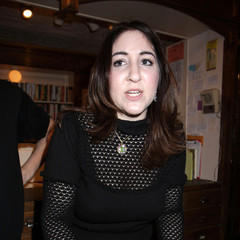
Deborah Feldman
Deborah Feldman is an American author born in 1986. Her works primarily explore personal faith, religious identity, and the status of women in religious societies. Her debut book, 'Escape from Orthodoxy: A Jewish Girl's Journey to Secular Life', tells the story of her transformation from an ultra-Orthodox Jewish upbringing to secular life. more
You May Also Like
Source: Can I Tell You Something?
“It's snowing!" my kids would say, with a freshness that you never tire of.”
Source: Collected Poems 1951-2000
Source: A Beautiful Mind
“He's had a bloody awful childhood. Like I had. Those things get passed on and on.”
Source: The Sacred and Profane Love Machine
Source: A Gathering of Shadows
Source: William Wilson
“There is no eleventh hour with Cosmic Ordering, only the golden hour.”
Source: Cosmic Ordering Guide
Source: Prairie Fires: The American Dreams of Laura Ingalls Wilder