Quotessence
Home / Quotes / Quote by Frank O'Connor

Quote by Frank O'Connor

Work

Collected Stories

This book brings together a diverse array of short stories, showcasing the talents of multiple writers across different genres and styles. more
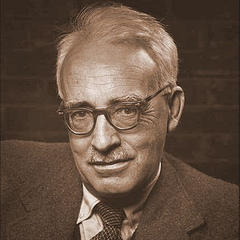
Author

Frank O'Connor
Frank O'Connor

Frank O'Connor was an Irish writer born on September 17, 1903, and died on March 10, 1966. He is renowned for his short stories, which are deeply influenced by Irish folk tales and mythology. more

You May Also Like

“Tabia yako ya siri mwanao atakuwa nayo! Kama Nelson Mandela alikuwa alama ya msamaha, msamaha ni tabia yetu. Kama Kwame Nkrumah alikuwa alama ya umoja, umoja ni tabia yetu. Kama Patrice Lumumba alikuwa alama ya uzalendo, uzalendo ni tabia yetu. Kama Robert Mugabe ni alama ya udikteta, udikteta ni tabia yetu. Kama Haile Selassie alikuwa alama ya ushujaa, ushujaa ni tabia yetu. Kama Samora Machel alikuwa alama ya ujamaa, ujamaa ni tabia yetu. Kama Julius Kambarage Nyerere alikuwa alama ya haki, haki ni tabia yetu. Sisi ni watoto wa wazalendo wa Afrika! Wao ni baba wa mataifa ya Afrika! Tumerithi tabia zao za siri.”

“Ninety-six per cent of juvenile prostitutes are fugitives from abusive domestic situations; 66 per cent began working before they turned 16. (Prostitution is their only perceived means of survival.) Millions of children work as prostitutes around the world. A third are male. One study revealed that over 50 per cent of prostitutes are the children of alcoholics or substance abusers, and 90 per cent are deflowered through incest or rape. Ninety-one per cent of prostitutes do not speak of the abuse. (The truth of life is told through the language of behavior.) Abused children suffer Post-Traumatic Stress Disorder, guilt, self-destructive impulses, suspicion, fear. Seventy-five per cent of prostitutes attempt suicide. (Imagine their scrapbook of memories.)”

“In my head, owning a bookstore meant I could hide in the back reading all day, while other bookworms came and went without a sound, resembling almost a library or, better yet, a convent. People never talked to me or to each other, we were just a secret society of readers, alone but together in silent unity. In reality though, owning a bookstore meant that I never actually had time to read a book myself. And being a newer bookstore, meant that I was broke and couldn’t actually afford staff so I had to do most things myself. Alone. In front of people. With my face showing. And sometimes having to make eye contact. It was awful.”